Imagine stepping into a tiny cabin after a crisp walk through the woods. The door clicks shut, and suddenly the world feels softer. Golden light pools across warm wood, a wool throw begs you to sink into the sofa, and the scent of pine lingers in the air. Small cabins have a special magic: they force us to design with intention, turning limited square footage into deeply personal sanctuaries of warmth and charm.
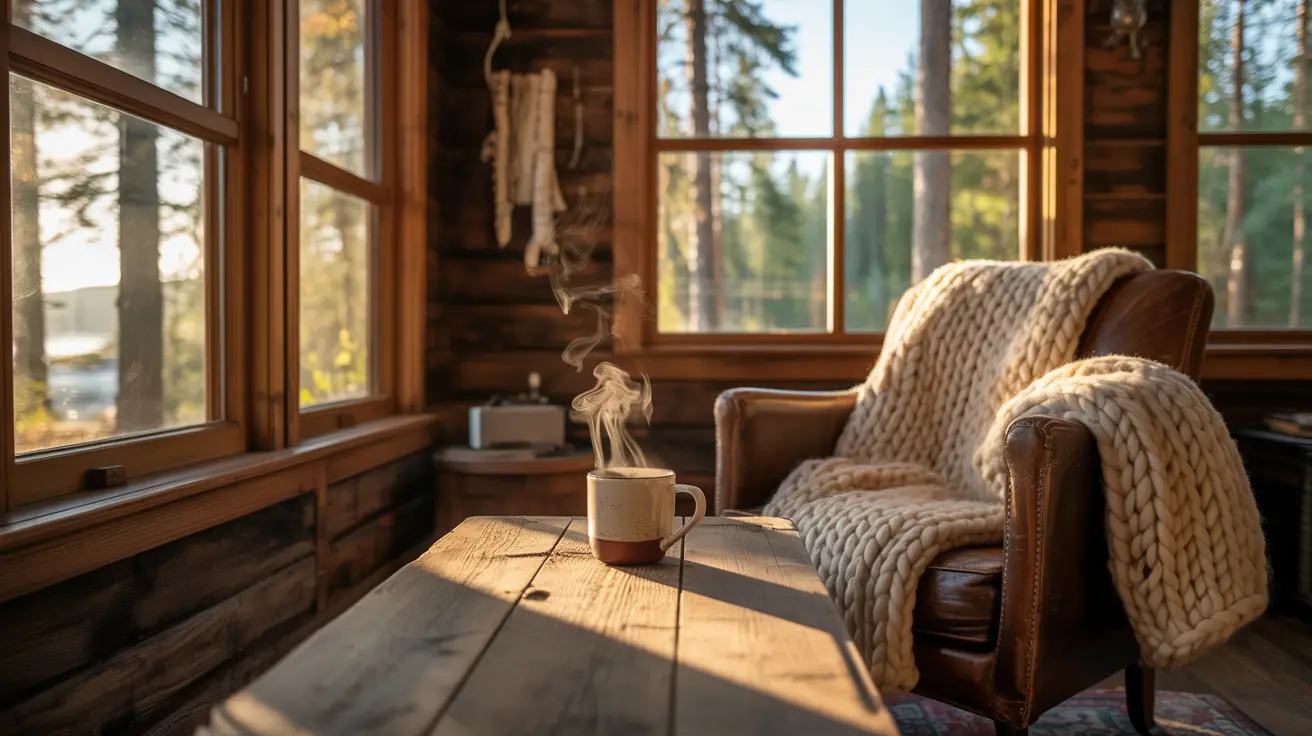
This guide reveals how to transform compact cabin spaces into inviting retreats. We’ll cover smart color choices, clever furniture, tactile layers, rustic accents, lighting, and extra ideas that make small feel expansive and soulful. Whether you own a weekend getaway or simply crave that cozy cabin energy at home, these ideas blend rustic soul with modern functionality.
1. Color Palette and Walls: Keep It Light and Warm
In small cabins, color is your most powerful tool for creating the illusion of space while wrapping the room in comfort.
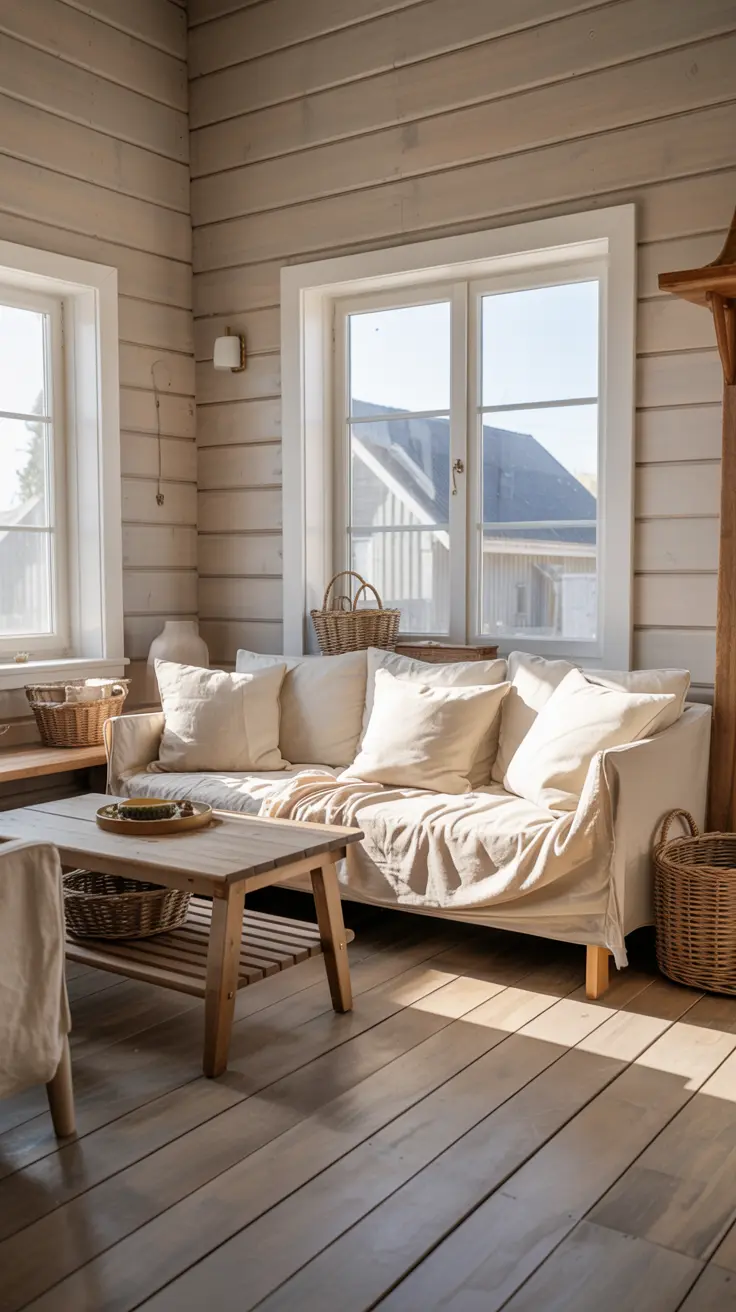
Stick to a foundation of soft whites, warm creams, gentle beiges, and muted earth tones. These hues bounce natural light around the room and prevent the space from feeling cave-like. If your cabin has dark knotty pine or aged logs, consider whitewashing the walls or applying a warm white paint. This technique preserves the wood’s texture and character while brightening the entire interior.
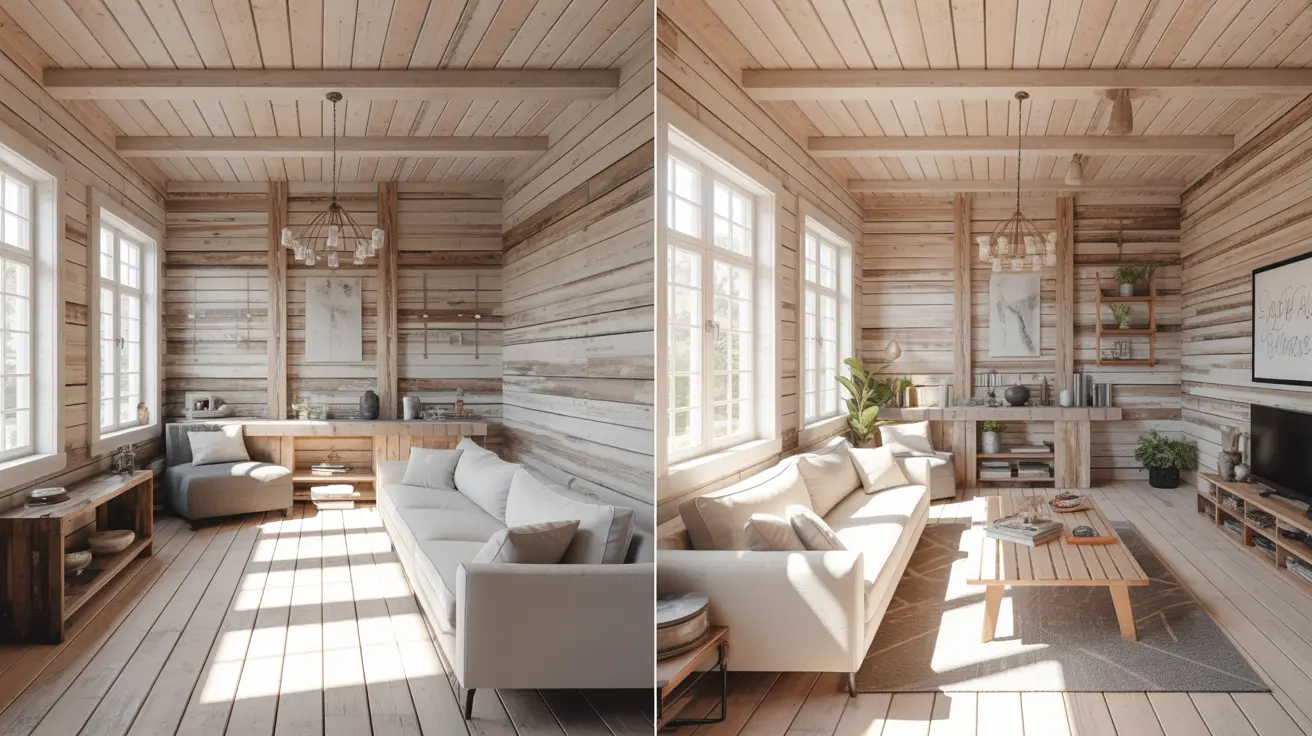
Add subtle interest with horizontal shiplap or tongue-and-groove paneling in lighter finishes. For depth, introduce deeper terra-cotta, rusty red, or rich brown accents through textiles and accessories rather than on large surfaces.
Tip for small spaces: Pair light walls with strategic mirrors to double the sense of depth and openness. The reflection of trees outside or a glowing lamp instantly makes the room breathe.
2. Furniture and Layout: Multi-Functional and Scaled Appropriately
The secret to small cabin living lies in furniture that works harder than it looks.
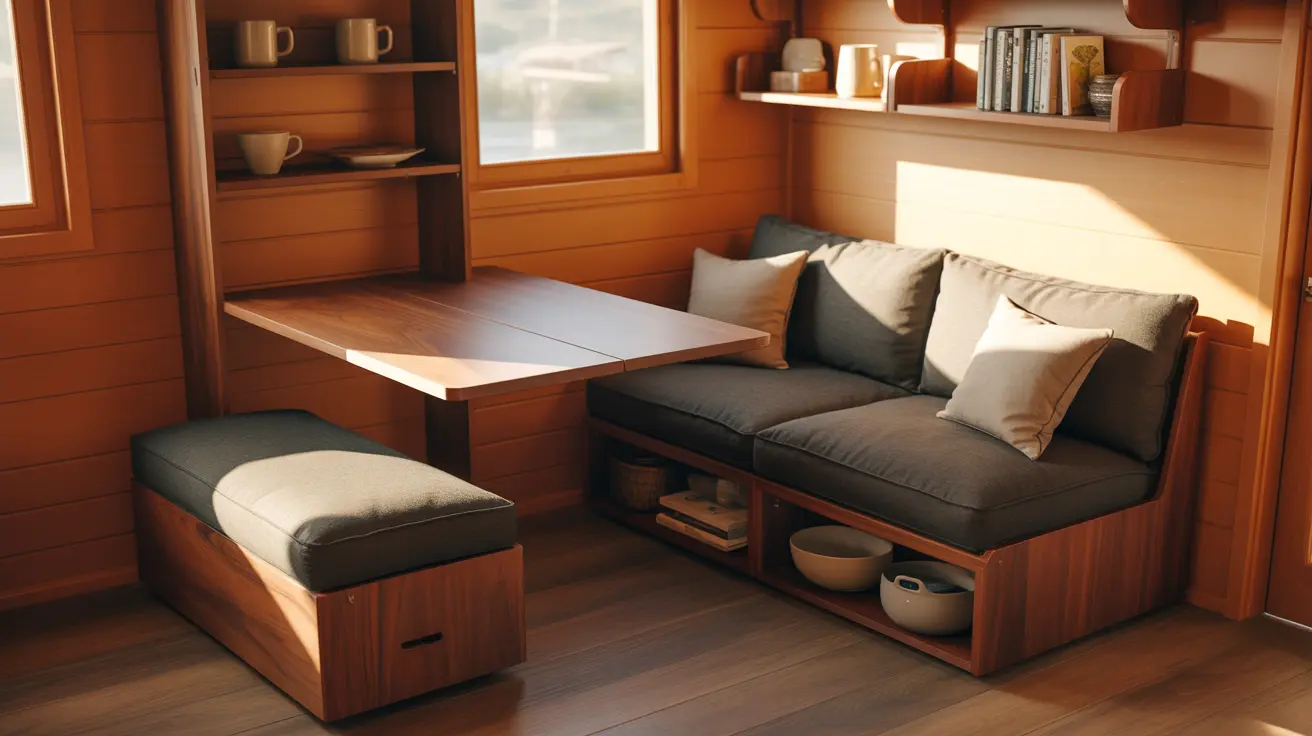
Embrace open-plan layouts that allow living, dining, and kitchen areas to flow together. Removing non-essential walls creates a more generous feel. Choose multi-functional heroes: storage ottomans that double as coffee tables, sofa beds for guests, fold-down dining tables, and benches with hidden compartments.
Scale matters. Opt for lighter wood finishes, clean lines, and pieces that sit low to the ground. Mix eras thoughtfully,a rustic primitive bench paired with sleek modern chairs creates collected, personal appeal without heaviness.
Vertical storage becomes your best friend: tall, narrow bookshelves, wall-mounted cabinets, and floating shelves draw the eye upward and free up precious floor space.
Pro Tip: Arrange furniture to define distinct zones while keeping clear pathways. Position seating to maximize natural light and create intimate conversation nooks that still allow easy movement.
3. Textures and Layers: Build Warmth Through Fabrics
Nothing says “cabin cozy” like tactile, inviting layers that beg to be touched.

Start with natural materials that age beautifully: wool throws, chunky knit blankets, plush linen pillows, and soft faux fur accents used sparingly for luxury. Vintage or Kantha quilts add instant character when draped over beds, chairs, or hung as art.
Incorporate grounded textures with jute or sisal rugs, flowing linen curtains, and burlap details. Plaid patterns in soft earth tones bring classic cabin charm without overwhelming the space.
The magic happens in the layering,pillows of varying sizes, throws casually tossed, and different heights of textiles create depth and visual comfort without eating up square footage.
This approach turns a small room into a sensory haven that feels both lived-in and intentionally designed.
4. Natural and Rustic Accents: Bring the Outdoors In
Authentic cabin style celebrates the landscape outside the windows.
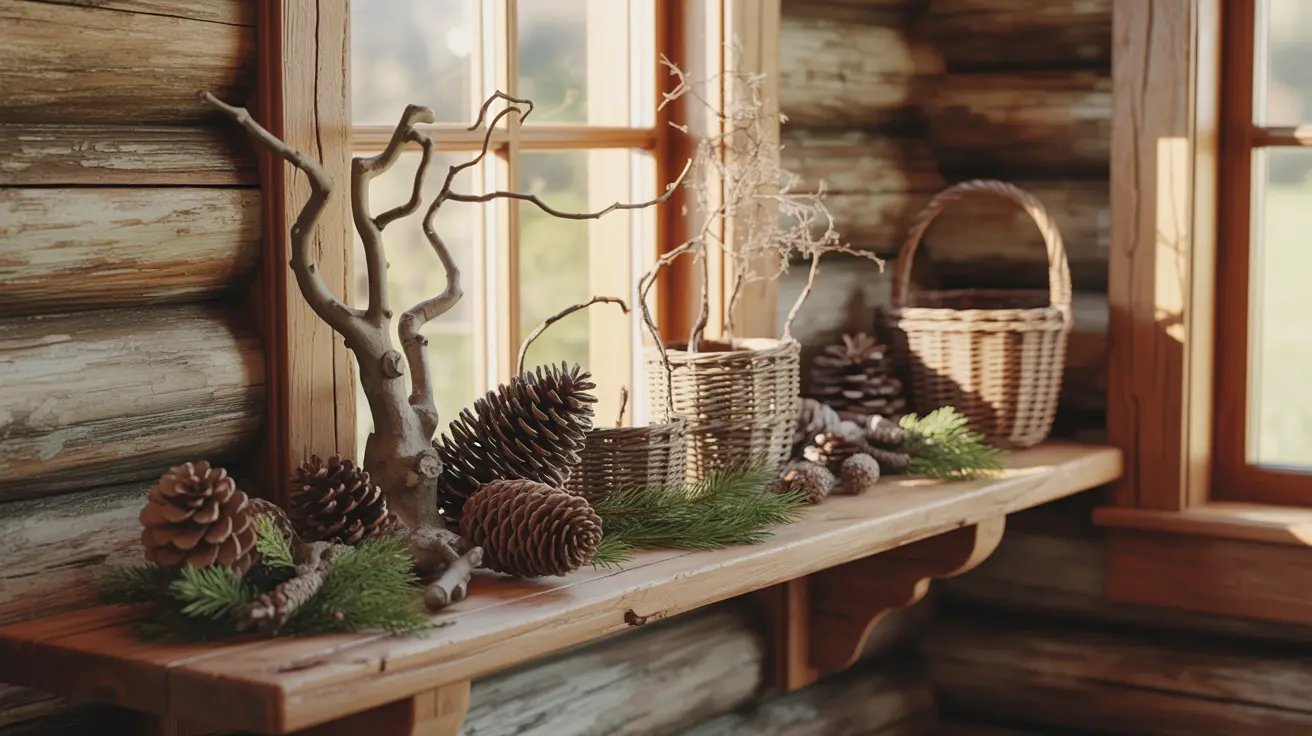
Incorporate reclaimed wood beams, stone elements, and organic finds like pine cones, dried branches, or ethically sourced antlers. Display them thoughtfully in vases or as sculptural pieces.
Vintage touches add storytelling: old fishing gear, weathered signs, canoe paddles, or classic wool blankets. Open shelving in the kitchen showcases beautiful dishware, woven baskets, and trailing greenery, keeping everyday items visible yet organized.
Keep collections curated. In small spaces, less truly is more,select pieces that spark joy and tell your story.
Key Rule: Every accent should either serve a purpose or bring genuine delight. Edit ruthlessly to maintain that airy, uncluttered cabin feel.
5. Lighting: Layer for Ambience and Function
Lighting can make or break the mood in a compact cabin.

Maximize daylight with large windows dressed in minimal treatments and well-placed mirrors. At night, layer three types of light: ambient overhead fixtures for general brightness, task lighting (reading lamps, under-cabinet lights) for functionality, and accent lighting (wall sconces, scaled chandeliers, or industrial pendants) for character.
Warm LED bulbs, Edison-style filaments, and dimmable options allow the space to shift seamlessly from bright morning coffee sessions to intimate fireside evenings. String lights or fairy lights draped along beams or windows add instant magic and a soft glow that makes any small space feel enchanted.
6. Additional Smart Ideas for Small Cabins
- Declutter ruthlessly: Use hidden storage solutions like under-bed drawers, over-door organizers, and built-in benches.
- Create depth with gallery walls featuring personal treasures,postcards, vintage maps, small artworks, or family photos.
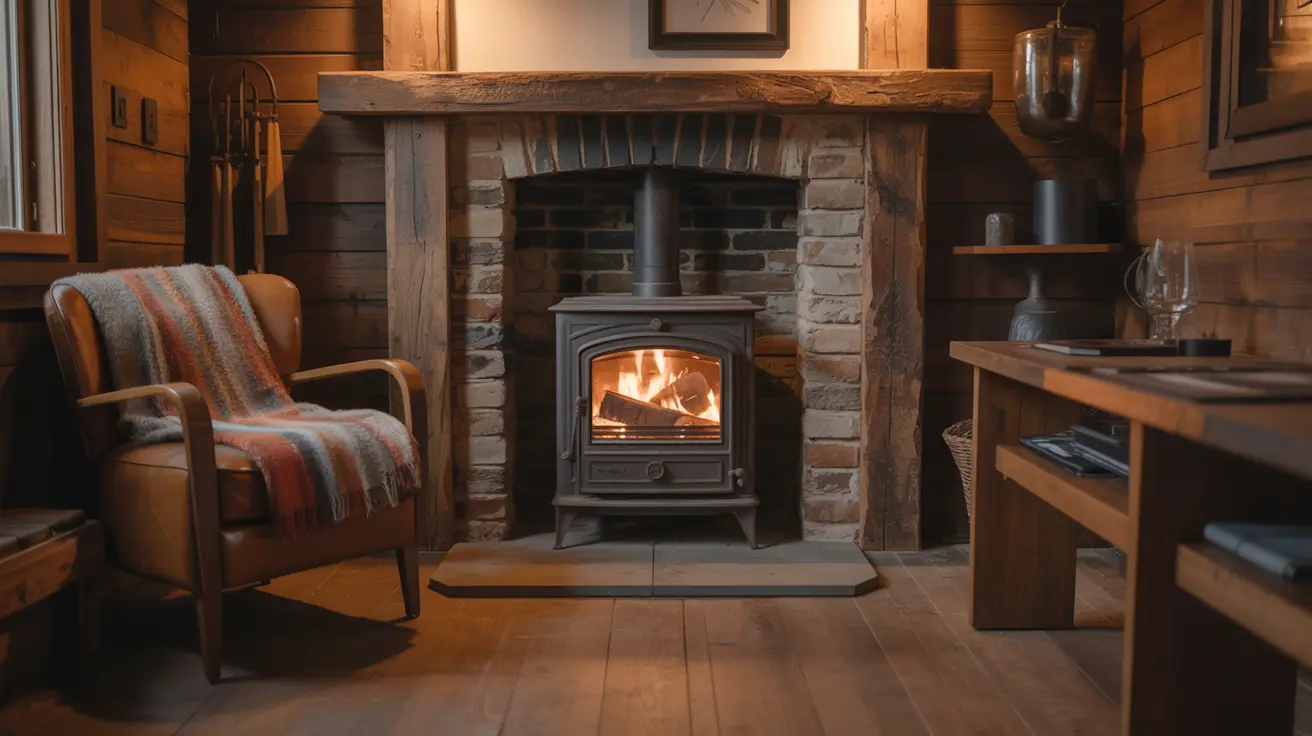
- Add a focal point like a wood-burning stove, electric fireplace, or statement stone surround if possible.
- Blend modern minimalism with rustic elements for a fresh yet timeless look.
- Inject personality with one bold move, such as painting kitchen cabinets in a soft sage or warm terracotta.

Overall Design Philosophy
The most successful small cabins balance rustic warmth with thoughtful practicality. Every object earns its place by being both beautiful and useful. Prioritize comfort, connection to nature, and simplicity over trends. In tight quarters, intentional design doesn’t just make the space work, it makes it feel like a true sanctuary.
Conclusion
Creating a cozy small cabin isn’t about having more space; it’s about making the space you have work beautifully. Start with light walls and smart storage, layer in textures that invite touch, and finish with lighting and accents that tell your story.

The result? A retreat that feels larger than its footprint and infinitely more welcoming.
Which idea will you try first? Drop a comment below, save this post for your next cabin project, or tag a friend who needs serious cozy inspiration. Your perfect small-space sanctuary is waiting to come to life.

Leave a comment
Your email address will not be published. Required fields are marked *