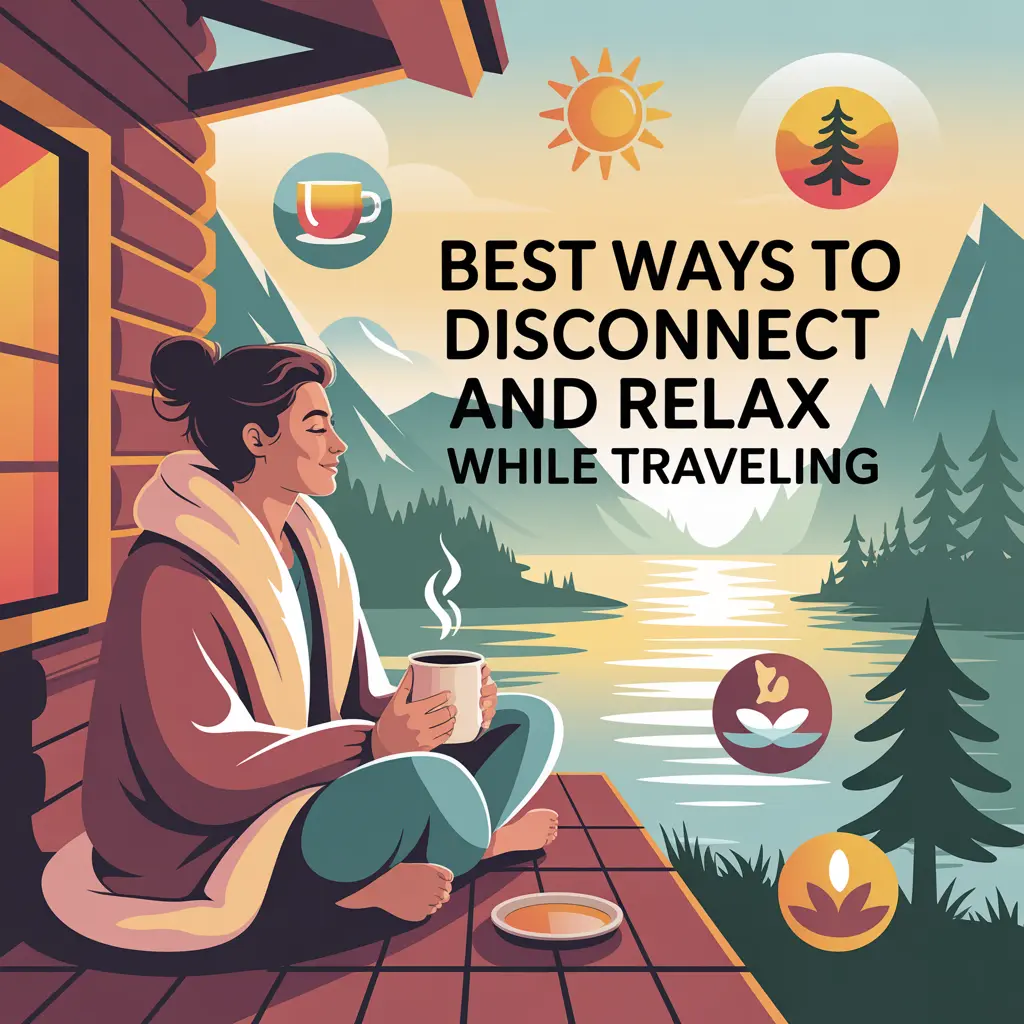
Travel promises escape. Yet too many of us return from trips feeling more drained than before we left,jaded by endless notifications, rigid itineraries, and the pressure to capture every moment for someone else’s feed. The antidote isn’t just going away. It’s learning how to actually arrive,fully present, intentionally unplugged, and open to the slower rhythms that make travel restorative rather than exhausting.

Here are the most effective, field-tested strategies to help you disconnect and truly relax on your next journey.
1. Prepare for Digital Detox Before You Leave
A meaningful unwind begins long before you reach the airport. The single biggest mistake travelers make is treating disconnection as something that happens magically upon arrival.

Start by closing loops at home. Finish outstanding work, set a thoughtful out-of-office reply that clearly states your limited availability and names an emergency contact. Tell friends and family you’ll be mostly offline. In the days leading up, gradually reduce your screen time so the sudden drop doesn’t feel jarring.
Practical tips:
- Bring only one device if possible. Consider leaving your laptop behind.
- Avoid buying international data packages. Rely on Wi-Fi sparingly and deliberately.
- Delete or mute non-essential apps (work email, social media, news) before departure.
- Enable Do Not Disturb or airplane mode as soon as you land.
- Establish screen-free hours (meals, sunset, bedtime) and tech-free zones (no phones in the bedroom).
- Pack analog alternatives: a quality journal, paperback novel, or film camera.
Even modest boundaries work wonders. Research shows that limiting email checks to a few deliberate times per day can reduce stress by roughly 25%. The preparation itself becomes part of the relaxation.
2. Embrace Slow Travel and Unstructured Time
Overscheduling is the silent killer of vacation joy. The most restorative trips leave generous pockets of nothing.
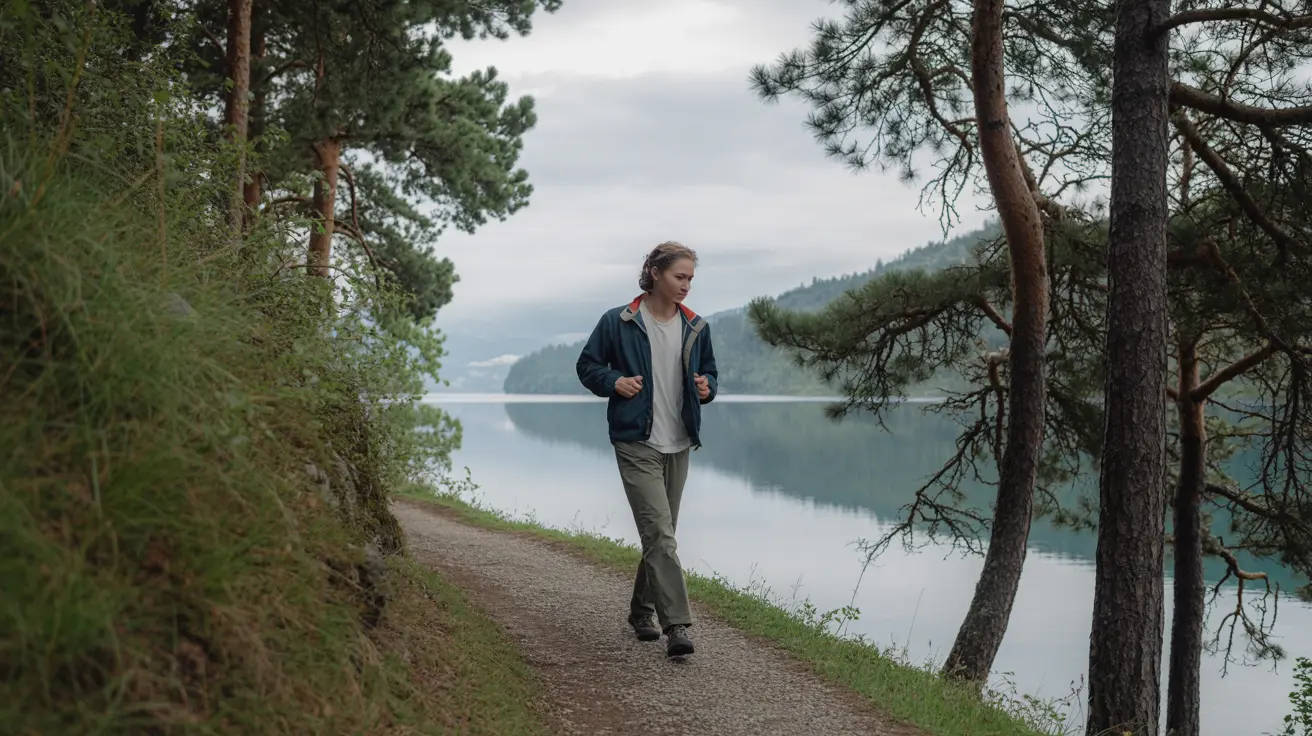
Plan loosely. Cap structured activities at half a day and protect the rest for spontaneity. Choose accommodations that invite lingering,quiet nature retreats, boutique hotels without televisions, or small towns where the main attraction is simply being there.
Core practices of slow travel:
- Take unhurried walks with no destination.
- Practice forest bathing,slow, sensory immersion in nature.
- Sit with a view and read, people-watch, or simply stare into the distance.
- Journal about what you notice rather than what you did.
Shorter, more frequent escapes often deliver better wellbeing than one epic annual trip. The benefits of a long vacation tend to fade after about a month, while regular smaller breaks sustain contentment more effectively.
3. Practice Mindfulness and Meditation
Travel has a way of stirring anxiety and FOMO. Mindfulness gently anchors you back into the present moment.
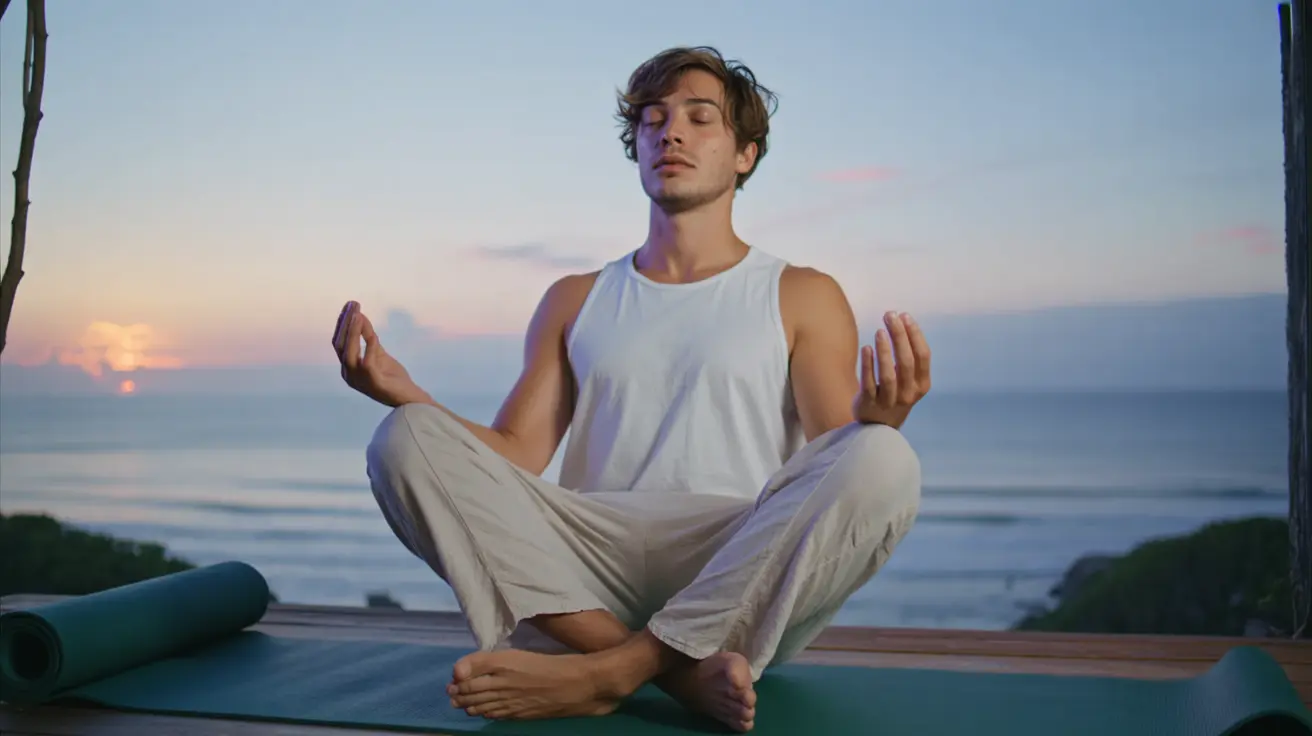
You don’t need to be an expert. Simple techniques work anywhere:
- Breathing exercises: Use the 4-7-8 method (inhale for 4 seconds, hold for 7, exhale for 8) or simple belly breathing. Repeat a grounding mantra such as “I am here” or “I am safe.”
- Mindful walking: Walk slowly, syncing steps with breath. Silently note “here” on the inhale and “now” on the exhale.
- Morning practice: Begin each day with 5–10 minutes of meditation. Apps like Calm, Headspace, or Insight Timer offer excellent travel-specific sessions for airports, flights, or hotel rooms.
- Combine with gentle yoga for deeper body-mind release.
These small rituals create a calm baseline that allows the entire trip to feel more spacious.
4. Engage in Relaxing, Screen-Free Activities
Replace passive scrolling with active restoration. The goal is to feel nourished, not numbed.
Powerful screen-free options:
- Nature immersion: Hike, swim, sit by the ocean, or wander through forests. Places like Costa Rica excel at this kind of deep environmental reset.
- Physical movement: Daily yoga, swimming, or easy cycling. Outdoor yoga sessions feel especially transformative.
- Mindful eating: Savor local meals without devices. Taste every bite.
- Wellness rituals: Book massages, take long baths, or create simple self-care routines.
- Creative outlets: Journal, sketch, play board games, or simply watch the world go by.

Support your body by limiting alcohol and leaning into balanced, plant-forward meals. Energy crashes destroy the relaxed state you’re trying to cultivate.
5. Choose the Right Companions, Accommodations, and Mindset
Relaxation is deeply social and environmental. Travel with people who share your desire for downtime, or clearly communicate expectations if you’re in a group.

Consider dedicated digital detox properties, retreats in Costa Rica, Germany, or elsewhere that offer phone lockboxes, wellness programs, and technology-free policies. That said, disciplined self-directed detox works beautifully anywhere.
Essential mindset shift: Stop treating every experience as content. Put the camera and phone away for long stretches. The richest moments often happen when you’re not trying to document them.
Additional Pro Tips for Specific Scenarios
- Flights and transit: Noise-canceling headphones, eye masks, lavender essential oil, and guided meditations are lifesavers. Practice progressive muscle relaxation during long flights.
- Jet lag and sleep: Adjust to local time immediately, stay hydrated, and use white noise or sleep stories. Give yourself buffer days before and after travel.
- Solo vs. group: Solo travelers enjoy unmatched freedom for unstructured time. Groups should intentionally schedule downtime and respect individual needs.
Why It Works and Long-Term Benefits
When you truly disconnect, something powerful happens. Cortisol levels drop. Sleep improves. You form deeper connections, with places, with others, and especially with yourself. Travelers who unplug report higher life satisfaction and smoother re-entry into daily routines.
The practice builds over time. Even one intentional screen-free afternoon can spark a lasting habit of presence that extends far beyond any single trip.
Conclusion

The best vacations aren’t measured in photos or checkmarks on an itinerary. They’re measured in how restored you feel when you return home.
Next time you travel, give yourself permission to do less, feel more, and be fully where you are. Your future self,the one who steps off the plane calmer, clearer, and genuinely refreshed,will thank you.

Leave a comment
Your email address will not be published. Required fields are marked *